Guideline 13 · ICMR-NIN
Cook Smart,Eat Well
Simple pre-cooking and cooking habits that protect the nutrition in your everyday food
Based on ICMR–National Institute of Nutrition guidance
The big idea
Why does how we cook matter?
Rationale
Healthy cooking practices are important for good health
Culture shapes our plate
Regional and family traditions decide how we cook and eat.
Good prep protects
Right pre-cooking keeps nutrients in and contaminants out.
Cooking helps
Makes food tasty, easy to digest and kills harmful germs.
Too much heat hurts
Very high heat destroys nutrients and can form harmful substances.
Pre-cooking · Step 1
Wash well — but not too much
Wash before peeling or cutting
Use clean, drinking-quality (potable) water and wash fruits and vegetables thoroughly.
Washing removes the unwanted
Pesticide residues, parasites, dirt and other extraneous matter.
Don't wash rice & pulses again and again
Repeated washing rinses away certain minerals and vitamins.
Pre-cooking · Step 2
Cut smart: size and timing matter
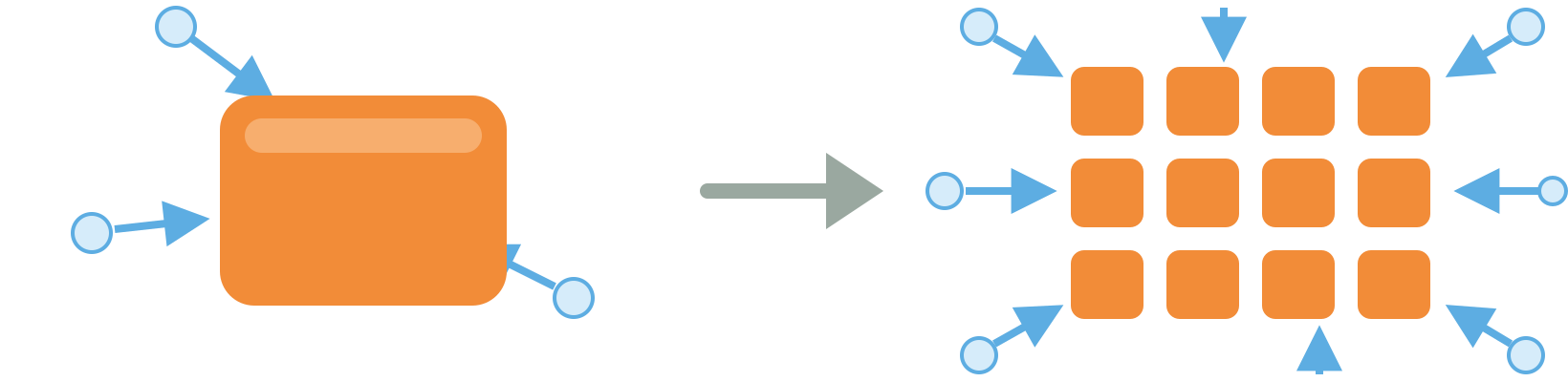
Cut just before cooking
Avoid chopping too small.
Eat cut produce soon
Shelf-life and nutrients drop fast.
Never soak cut veggies
Water-soluble vitamins & minerals leak out.
Smart household methods
Kitchen traditions that boost nutrition
These everyday methods make nutrients in whole grains and legumes easier to digest and absorb.
Soaking
Soak grains & pulses before cooking
Sprouting
Adds certain vitamins, improves absorption
Fermenting
Idli, dosa, dhokla: easier to digest
Malting
Sprouted, dried grain flour, e.g. ragi malt
Popping
Like popcorn or popped jowar
Puffing
Like puffed rice (murmura)
Spotlight
Sprouts: small but mighty
A sprouted whole grain keeps all three parts:
Easier to absorb
Nutrients in sprouts are more bioavailable than in un-sprouted grains.
Everyday power food
Can help meet your daily vitamin and mineral needs.
No cooking needed
Eat them as they are, or with a little garnish.
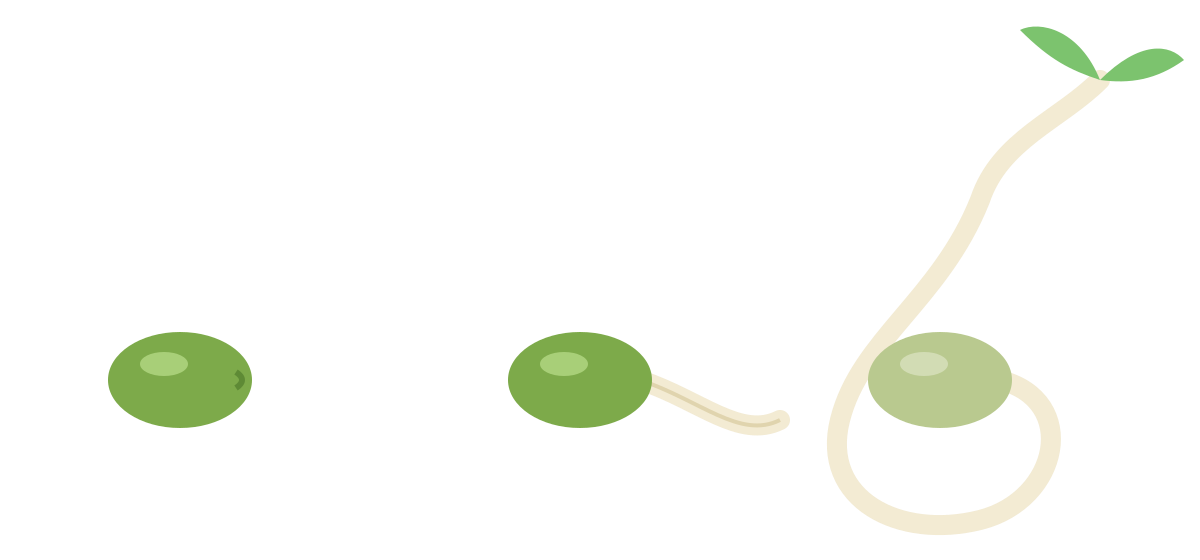
Golden rule: stop when the sprout is about as long as the grain. Longer sprouts use up the grain's stored nutrients.
Try it at home
How to sprout in 6 easy steps
Rinse
Put cleaned grains in a strainer, rinse well and drain.
Soak
Cover fully with water. Soak overnight or at least 12 hours at room temperature.
Re-rinse
Drain in a strainer, rinse well and collect the grains.
Wrap
Place in a moist cotton or double-layer muslin cloth in a jar. Cover loosely for air.
Wait
Keep warm and away from direct light. Sprouts appear in 1–3 days.
Enjoy
Eat as they are, or add a simple garnish.
Blanching or steaming?
Which is better for vegetables?
Blanching
Dip in boiling water or steam briefly, then cool in cold water.
- ✓Stops enzymes that spoil colour, flavour, texture
- ✓Longer shelf life
- ✗Nutrients leak into the water
Steaming
Steam the vegetables, then cool quickly in the refrigerator.
- ✓Vegetables never soak in water
- ✓No nutrient loss into water
- ✓Nutrients are better retained
Cooking methods
Open lid or closed lid?
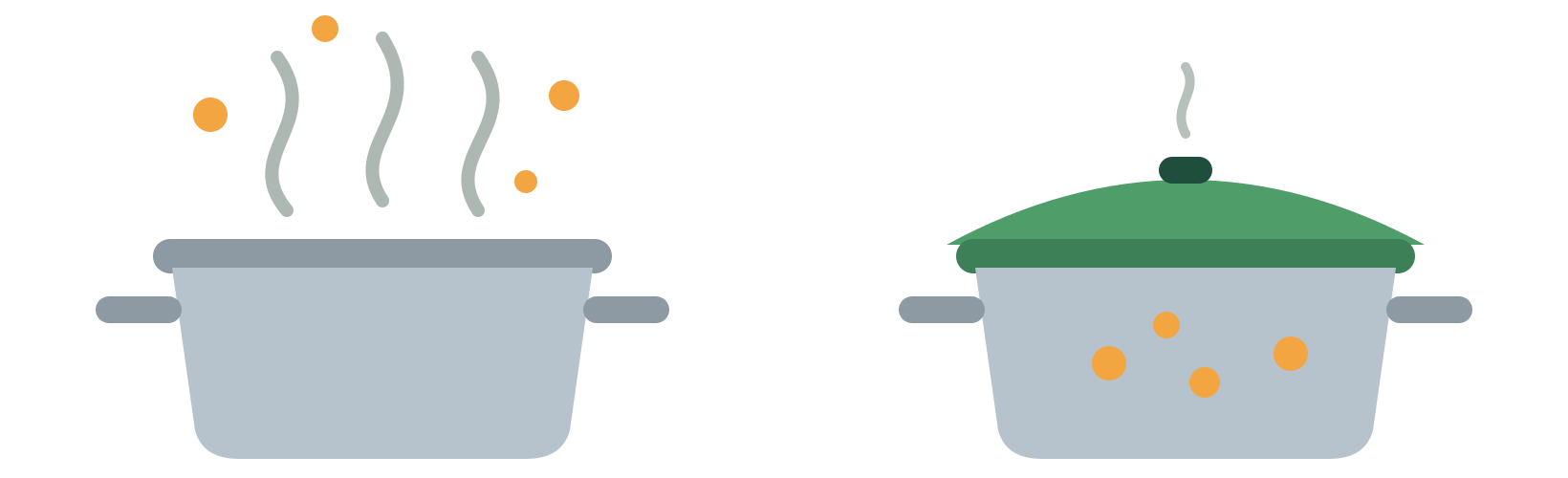
Open lid
Takes longer to cook. Air exposure speeds up nutrient loss.
Closed lid ✓
Cooks faster, so nutrients are better kept. Greens may change colour, but lose less.
Cooking methods
Boiling & pressure cooking: best for pulses
Beats anti-nutrients
Destroys enzyme inhibitors that block digestion, so more protein is available.
Unlocks minerals
Cuts phytic acid in cereals & legumes, so iron, calcium, magnesium & zinc absorb better.
Saves folate
Boil legumes in just enough water, with no draining.
Don't overcook
Cooking pulses too long lowers protein quality (lysine is lost).
Cooking methods
Don't pour the goodness down the drain
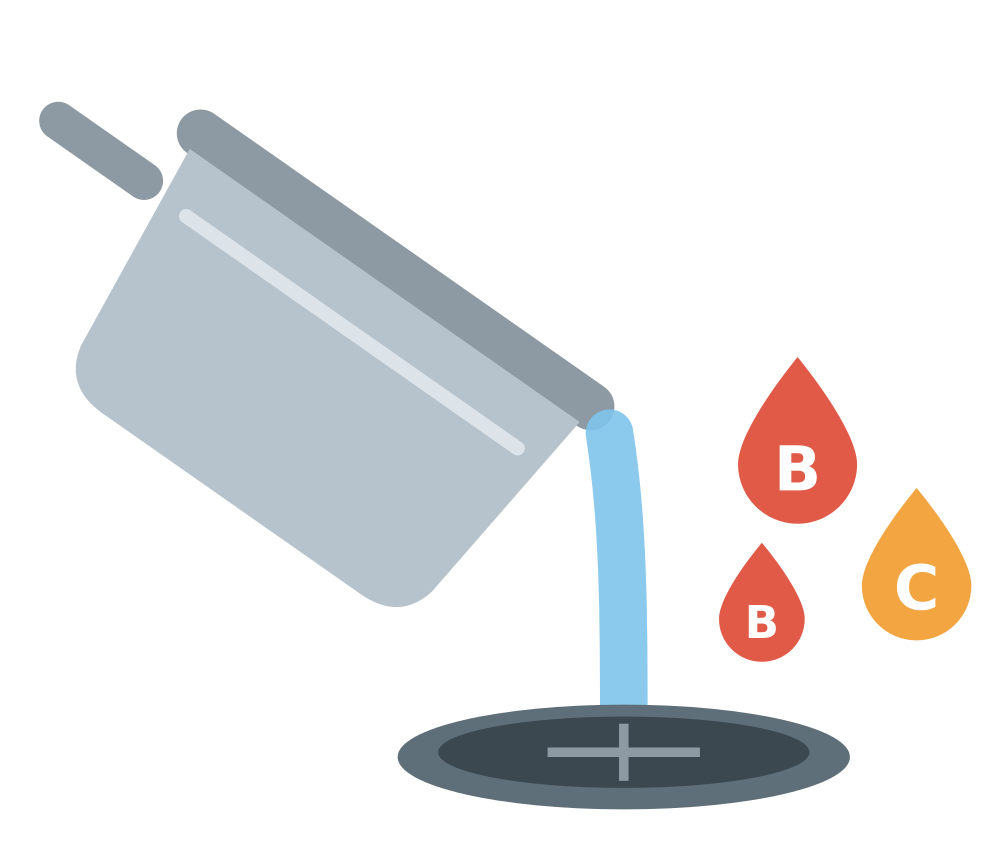
B + C
B-complex vitamins and vitamin C are lost when cooking water is thrown away.
Add only as much water as needed.
Avoid long boiling: more vitamins are lost.
Minerals mostly stay put during boiling.
Cooking methods
Steaming: the nutrient champion
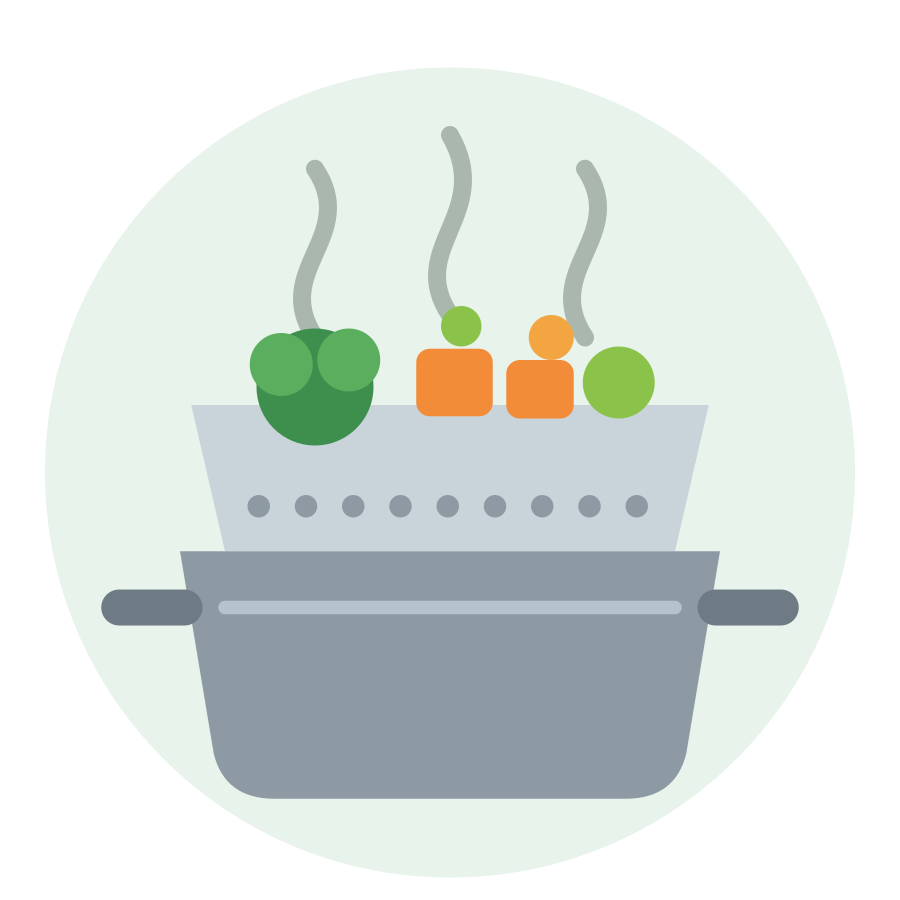
Saves water-soluble vitamins
Food touches only steam, not water, so far less vitamin and phytochemical loss.
Boosts antioxidants
Best method to raise antioxidants and polyphenols in vegetables and greens.
Unlocks beta-carotene & lutein
Makes these nutrients more readily available to the body.
Cooking methods
Deep frying: keep it an occasional treat
In the kadhai
High heat changes proteins, vitamins and antioxidants. Vitamin C is lost; there's moderate vitamin loss and small mineral loss. Oil heated long in air forms oxidized, possibly toxic products.
In your body
Frequent frying means more fat. High fat intake is linked to heart disease, stroke and type 2 diabetes, via high BP, high blood sugar, belly fat and abnormal cholesterol.
Golden rule
Never reuse frying oil.
Never mix used oil with fresh oil.
Cooking methods
Shallow frying vs stir-frying
Shallow frying
- Thin oil layer = lots of contact with air
- Oil breaks down faster, forming more polymeric triglycerides than deep frying
- Plus side: it's quick, and the oil is usually not reused
Stir-frying
- Little oil, high heat, constant stirring, short time
- No water, so B vitamins stay in
- A little fat helps absorb fat-soluble vitamins & antioxidants
- Vitamin C may still be lost
Modern methods
Microwave & air fryer
Microwave
Nutrient-friendly- Very short cooking time
- Uses little water; steams food from the inside out
- No leaching, so more vitamins & minerals retained
- Helps preserve vitamin C
- Use microwave-safe ceramic vessels
Air fryer
Less oil, fewer calories- Crispy like deep frying, with far less oil absorbed
- Fewer calories: lower risk of weight gain & obesity
- Handy for starchy foods like potatoes
- Fish: may lose omega-3s and form inflammatory compounds. Add herbs to limit fat oxidation
Cooking methods
Roasting & slow cooking
Roasting
- Intense oven heat of 150–300°C
- A steady 150–160°C loses less than starting very hot
- Heat-sensitive vitamins are largely destroyed
- Minerals stay intact
- Results vary with the food and conditions used
Slow cooking
Softens cell walls and releases antioxidants from tomatoes, corn, spinach and more.
more antioxidants in boiled peanuts vs raw or roasted
fewer harmful AGEs* in meat cooked in liquid on low heat vs grilling
*AGEs = advanced glycation end products, cell-damaging compounds
Cooking methods
Grilling & barbecue: the good and the watch-outs
Barbecue: low, indirect heat Grilling: high, direct heat (often charcoal or wood)
The good
- Fat drips off, so fewer calories; may aid weight loss
- Keeps vitamins A, D, B1, B2 and zinc, magnesium, iron
- Veggies like broccoli & asparagus keep nutrients well
- Seals in moisture without added fat
Watch-outs
- PAHs*: cancer-causing compounds stored in body fat
- Reusing the same charcoal raises carcinogens
- AGEs form while grilling, linked to inflammation
- Heavy marinades add extra salt & sugar
How to safely use cookware
Choosing your cookware (1/2)
Earthen pots
SafestNeed very little oil, are eco-friendly, and heat circulates through the food, keeping nutrition intact.
Stainless steel
Safe if used properlyDurable and rust-resistant. Doesn't react with acidic or alkaline foods, so no metallic taste or harmful leaching.
Aluminium, iron, brass, copper
Use with careMetals can enter food. Don't store pickles, chutneys, sambar or sauces in aluminium, iron, or unlined brass or copper.
How to safely use cookware
Choosing your cookware (2/2)
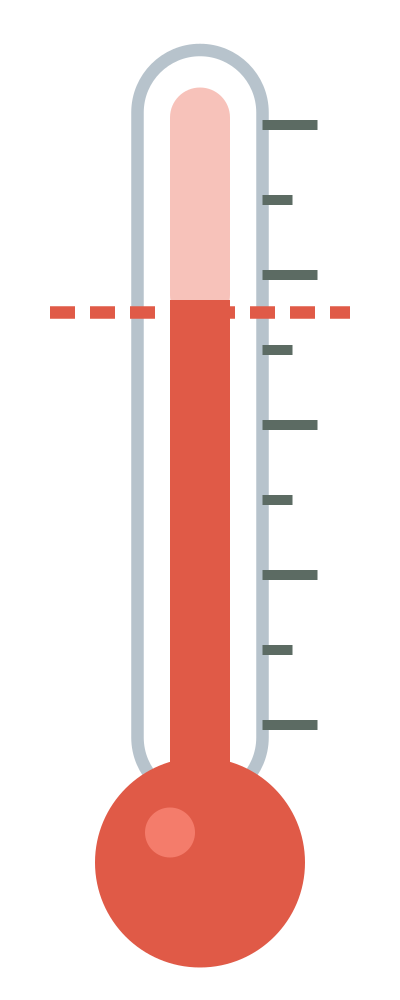 170°C
danger line for non-stick
Non-stick (Teflon / PTFE)
- Above 170°C (e.g., an empty pan left on the flame) the coating can give off irritating or toxic fumes
- Follow usage and cleaning instructions strictly
- Discard when the coating is worn out or damaged
Granite stone
- Lighter than older stone cookware
- Saves time and energy; holds heat after the flame is off
- Safe if free of PTFE, PFOA and PFOS coatings
- Cook at medium-high at most to protect the coating
Key takeaways
Your smart kitchen checklist
Source: ICMR–National Institute of Nutrition, Dietary Guidelines for Indians, Guideline 13