01 / 19
NEEYAFIT

NeeyaFit  ·  Nutrition webinar

Meet your coach
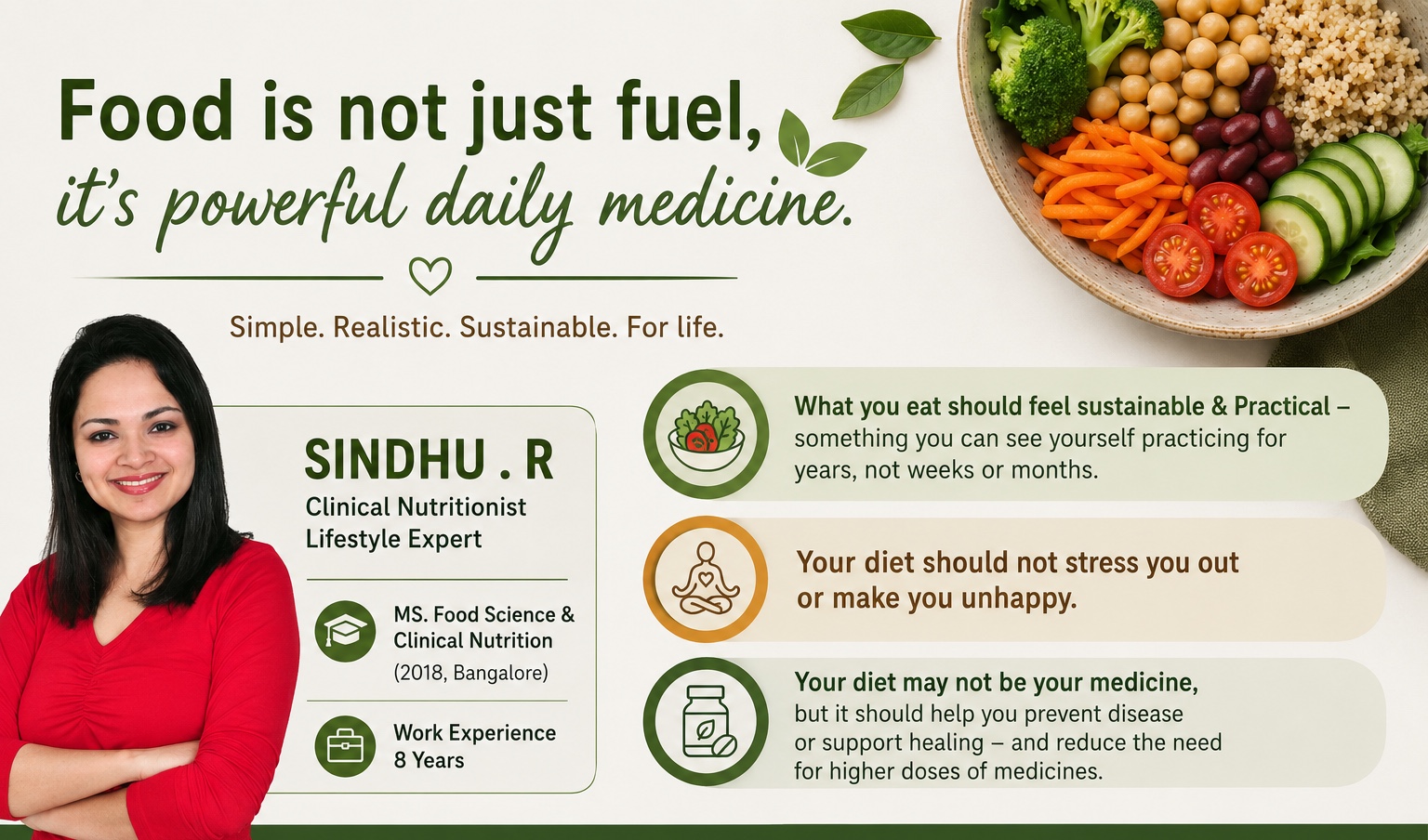
Food is not just fuel, it's powerful daily medicine. Simple. Realistic. Sustainable. For life. SINDHU . R - Clinical Nutritionist, Lifestyle Expert. MS. Food Science & Clinical Nutrition (2018, Bangalore). Work Experience 8 Years. What you eat should feel sustainable & Practical - something you can see yourself practicing for years, not weeks or months. Your diet should not stress you out or make you unhappy. Your diet may not be your medicine, but it should help you prevent disease or support healing - and reduce the need for higher doses of medicines.
THE PROTEIN STORY - title card, with bowls of soya beans, a salmon fillet, cottage cheese, mixed nuts, eggs and green peas on cream.

Sources

Both animal and plant foods

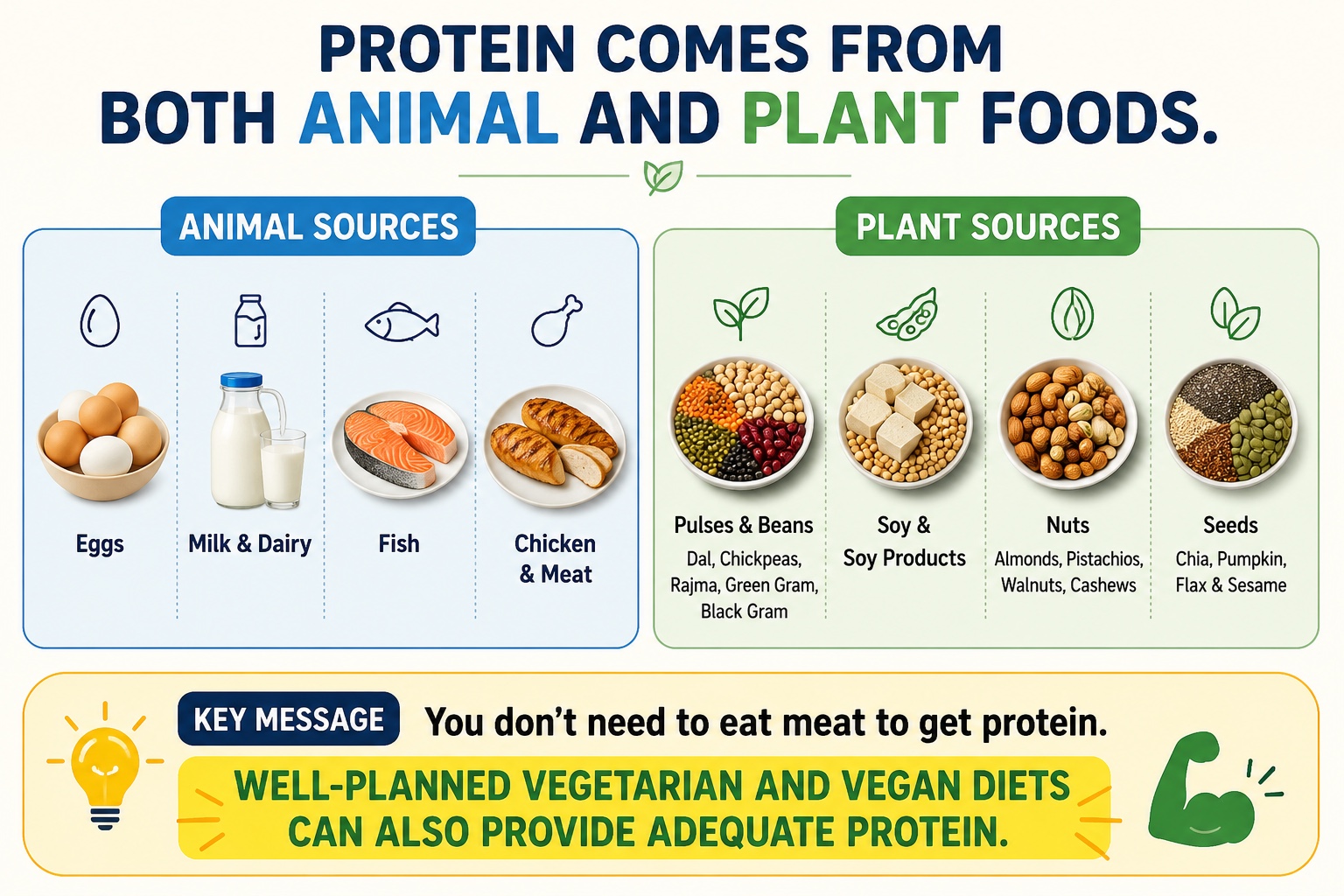
PROTEIN COMES FROM BOTH ANIMAL AND PLANT FOODS. ANIMAL SOURCES: Eggs; Milk & Dairy; Fish; Chicken & Meat. PLANT SOURCES: Pulses & Beans (Dal, Chickpeas, Rajma, Green Gram, Black Gram); Soy & Soy Products; Nuts (Almonds, Pistachios, Walnuts, Cashews); Seeds (Chia, Pumpkin, Flax & Sesame). KEY MESSAGE: You don't need to eat meat to get protein. WELL-PLANNED VEGETARIAN AND VEGAN DIETS CAN ALSO PROVIDE ADEQUATE PROTEIN.

Protein quality

Not All Proteins Are Same..


Animal foods such as eggs, milk, fish and meat generally provide all 9 EAAs in good amounts.

Many plant proteins may have lower amounts of one or more EAAs.

So, what should vegetarians do?

Combine different plant foods!
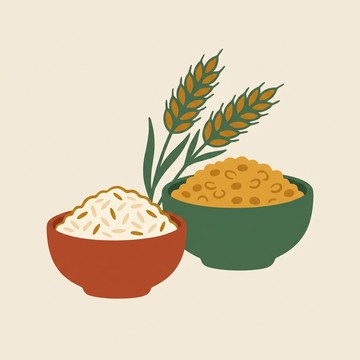
🌾

Cereals + Pulses

Rice + Dal  |  Roti + Dal  |  Khichdi

This combination helps improve the overall amino acid quality of the meal.

Key message: 👉 Variety is the secret to getting good-quality protein from plant foods.

Powerhouse — and a reality check

Why pulses are a protein powerhouse
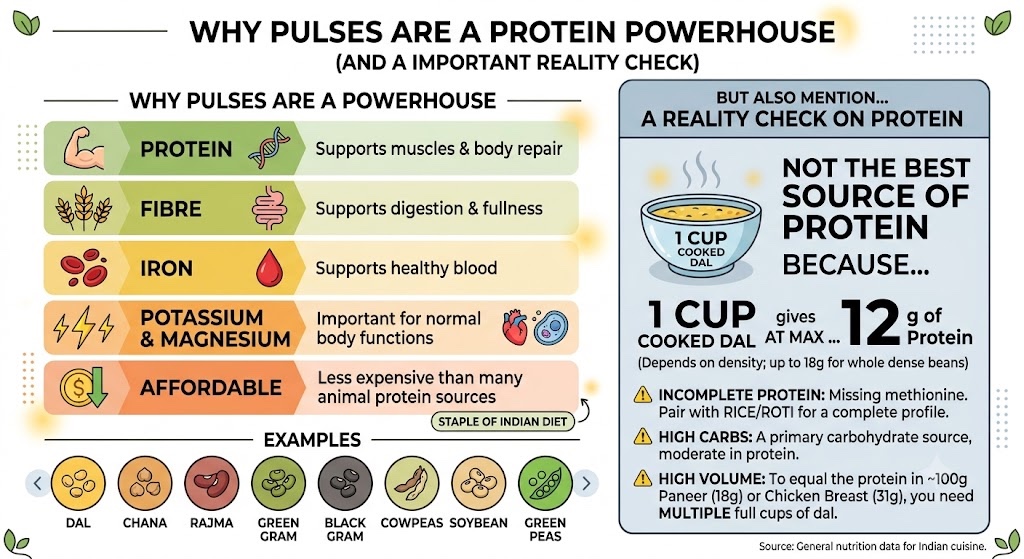
WHY PULSES ARE A PROTEIN POWERHOUSE (AND A IMPORTANT REALITY CHECK). WHY PULSES ARE A POWERHOUSE: PROTEIN - Supports muscles & body repair. FIBRE - Supports digestion & fullness. IRON - Supports healthy blood. POTASSIUM & MAGNESIUM - Important for normal body functions. AFFORDABLE - Less expensive than many animal protein sources. STAPLE OF INDIAN DIET. EXAMPLES: Dal, Chana, Rajma, Green Gram, Black Gram, Cowpeas, Soybean, Green Peas. BUT ALSO MENTION - A REALITY CHECK ON PROTEIN: 1 cup cooked dal is NOT THE BEST SOURCE OF PROTEIN BECAUSE... 1 CUP COOKED DAL gives AT MAX 12 g of Protein (Depends on density; up to 18g for whole dense beans). INCOMPLETE PROTEIN: Missing methionine. Pair with RICE/ROTI for a complete profile. HIGH CARBS: A primary carbohydrate source, moderate in protein. HIGH VOLUME: To equal the protein in ~100g Paneer (18g) or Chicken Breast (31g), you need MULTIPLE full cups of dal. Source: General nutrition data for Indian cuisine.

Let's think

Will protein consumption alone help build muscles?

Protein alone ≠ muscle. Protein needs support!
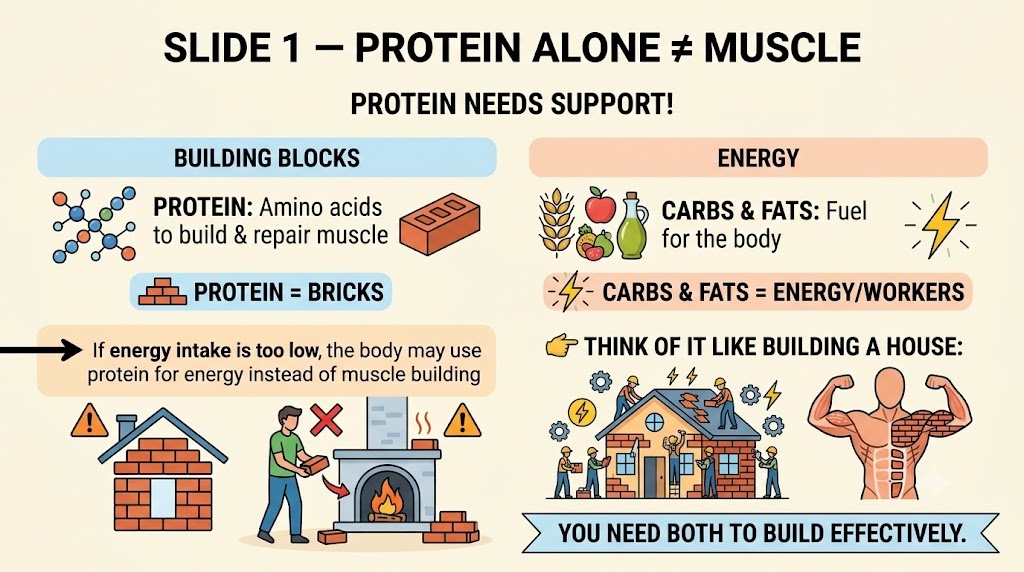
PROTEIN NEEDS SUPPORT! BUILDING BLOCKS - PROTEIN: Amino acids to build & repair muscle. PROTEIN = BRICKS. If energy intake is too low, the body may use protein for energy instead of muscle building. ENERGY - CARBS & FATS: Fuel for the body. CARBS & FATS = ENERGY/WORKERS. THINK OF IT LIKE BUILDING A HOUSE: YOU NEED BOTH TO BUILD EFFECTIVELY.

Supplements

What are protein powders?
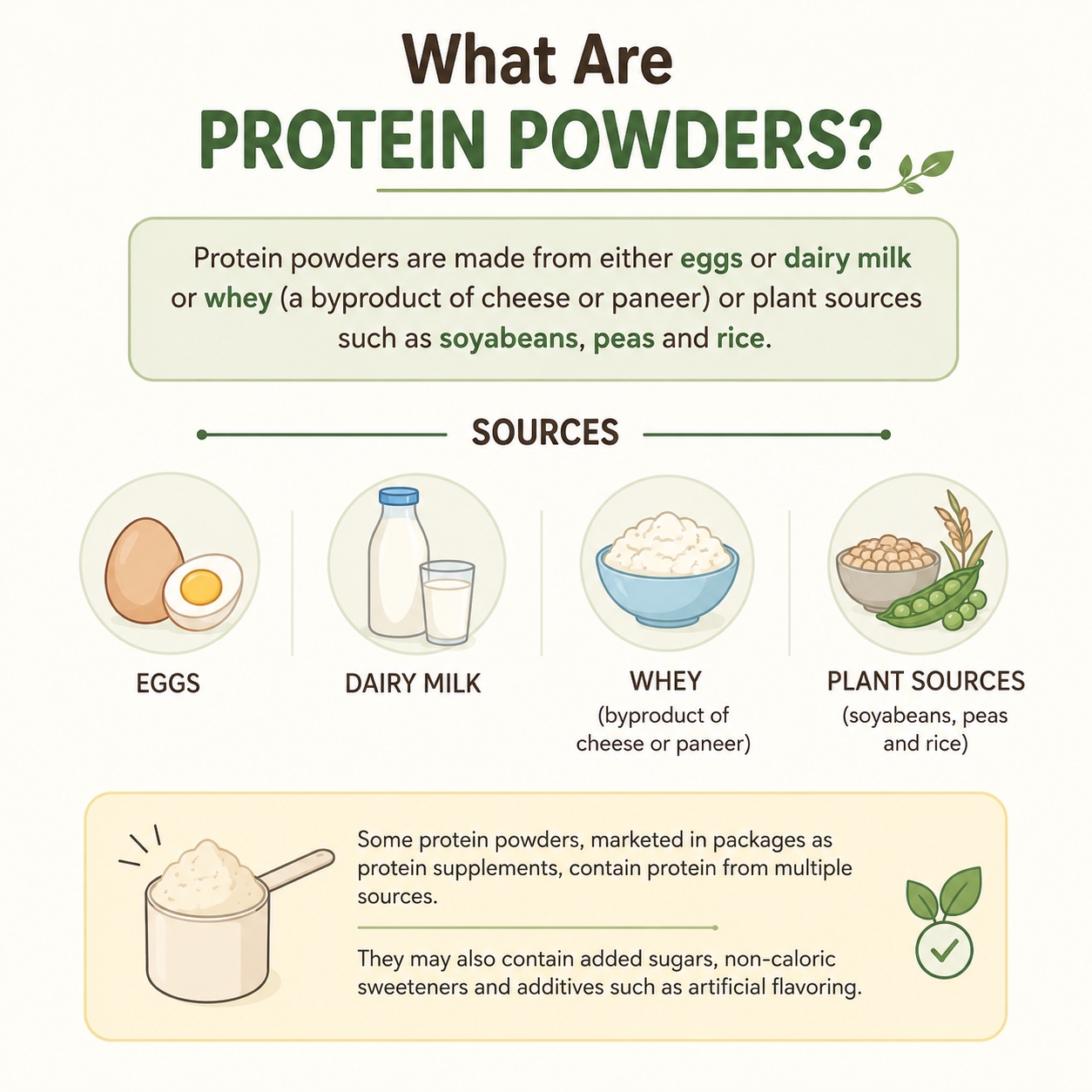
What Are PROTEIN POWDERS? Protein powders are made from either eggs or dairy milk or whey (a byproduct of cheese or paneer) or plant sources such as soyabeans, peas and rice. SOURCES: Eggs; Dairy milk; Whey (byproduct of cheese or paneer); Plant sources (soyabeans, peas and rice). Some protein powders, marketed in packages as protein supplements, contain protein from multiple sources. They may also contain added sugars, non-caloric sweeteners and additives such as artificial flavoring.

How much is enough

The caveat

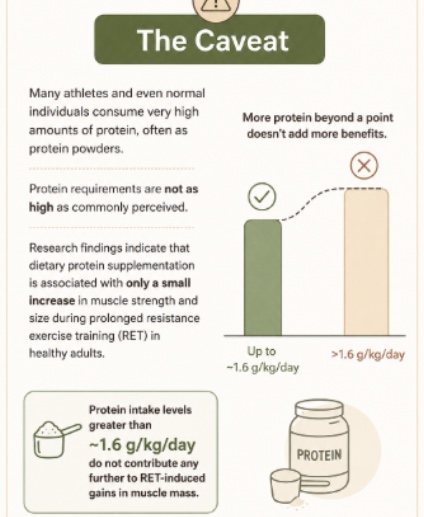
The Caveat. Many athletes and even normal individuals consume very high amounts of protein, often as protein powders. Protein requirements are not as high as commonly perceived. Research findings indicate that dietary protein supplementation is associated with only a small increase in muscle strength and size during prolonged resistance exercise training (RET) in healthy adults. More protein beyond a point doesn't add more benefits. Up to ~1.6 g/kg/day — further gains. Greater than 1.6 g/kg/day — no further RET-induced gains in muscle mass. Protein intake levels greater than ~1.6 g/kg/day do not contribute any further to RET-induced gains in muscle mass.

Who needs it

Guide to protein powder: who & how to decide
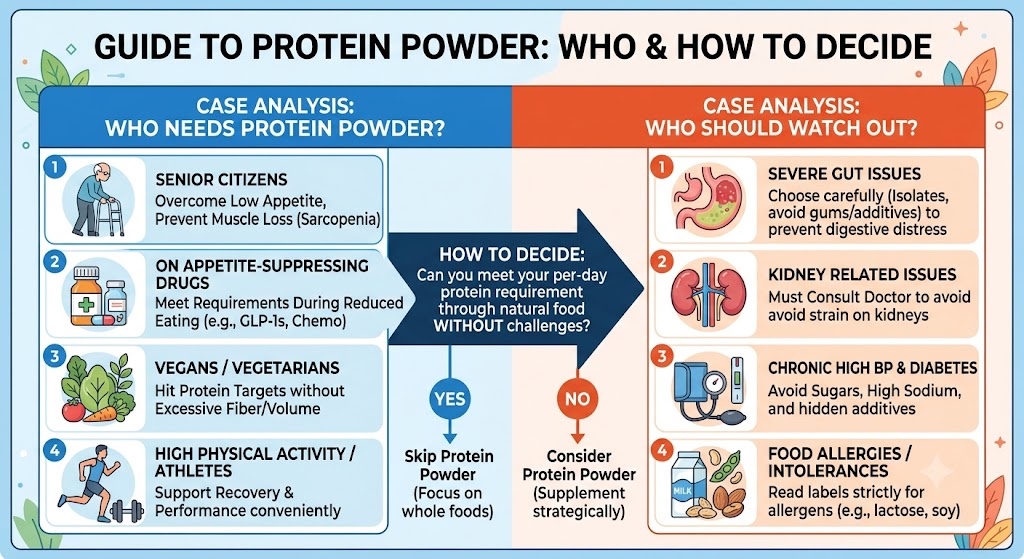
GUIDE TO PROTEIN POWDER: WHO & HOW TO DECIDE. CASE ANALYSIS: WHO NEEDS PROTEIN POWDER? 1. SENIOR CITIZENS — Overcome Low Appetite, Prevent Muscle Loss (Sarcopenia). 2. ON APPETITE-SUPPRESSING DRUGS — Meet Requirements During Reduced Eating (e.g., GLP-1s, Chemo). 3. VEGANS / VEGETARIANS — Hit Protein Targets without Excessive Fiber/Volume. 4. HIGH PHYSICAL ACTIVITY / ATHLETES — Support Recovery & Performance conveniently. HOW TO DECIDE: Can you meet your per-day protein requirement through natural food WITHOUT challenges? YES — Skip Protein Powder (Focus on whole foods). NO — Consider Protein Powder (Supplement strategically). CASE ANALYSIS: WHO SHOULD WATCH OUT? 1. SEVERE GUT ISSUES — Choose carefully (Isolates, avoid gums/additives) to prevent digestive distress. 2. KIDNEY RELATED ISSUES — Must Consult Doctor to avoid strain on kidneys. 3. CHRONIC HIGH BP & DIABETES — Avoid Sugars, High Sodium, and hidden additives. 4. FOOD ALLERGIES / INTOLERANCES — Read labels strictly for allergens (e.g., lactose, soy).

Choosing a powder

How to select your protein powder
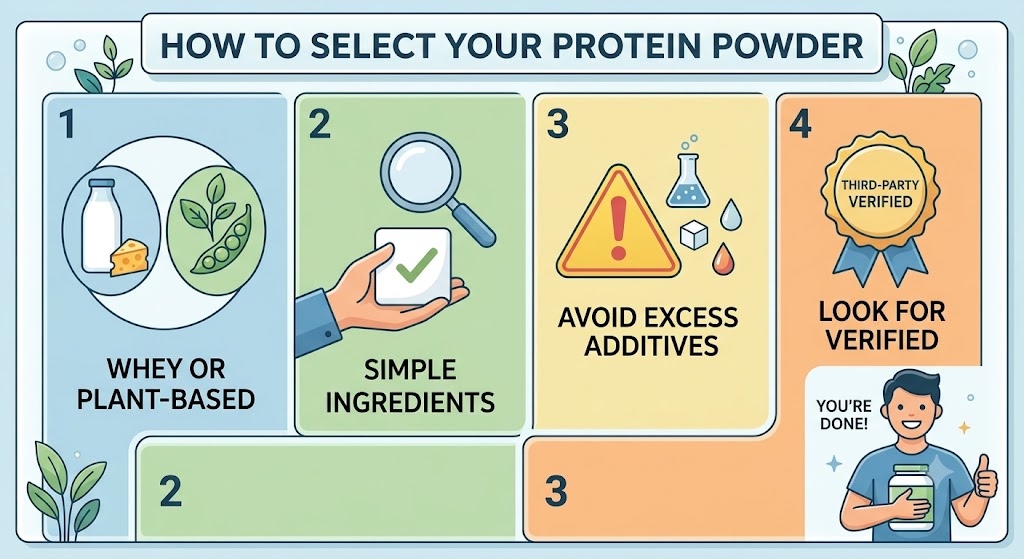
HOW TO SELECT YOUR PROTEIN POWDER. 1 WHEY OR PLANT-BASED. 2 SIMPLE INGREDIENTS. 3 AVOID EXCESS ADDITIVES. 4 LOOK FOR VERIFIED — third-party verified. YOU'RE DONE!
QUIZ & BRAIN TEASERS. Let's test what we learned! Think. Reflect. Enjoy. Learn. No pressure. Just curiosity!

Quiz time

Let's test what you learned


1   Multiple choice — Fuel check

Which statement best explains why carbohydrates are important in our diet?


2   Fill in the blanks — Complete the journey

When we eat carbohydrates, the digestive system breaks them down into _______________________, which is a major source of fuel for the body.


Quiz time

Carbs at work


3   Match the following

Carbs at work


4   Spot the better choice

Riya wants an afternoon snack that is more likely to provide steady energy rather than simply satisfy a sweet craving for a few minutes. Which would you recommend?


Quiz time

Let's apply what we learned


5   Situational analysis — Think like a nutrition coach

“I started strength training, so I have stopped eating rice, roti and other carbohydrates. I only focus on protein because I want to build muscle.”

Based on what you learned, what would you explain to this person? Mention two reasons why completely avoiding carbohydrates may not be the best approach for someone doing strength training.

1. Carbohydrates are the body's main source of energy for the workout itself. 2. Adequate carbohydrates help spare protein so it can be used for muscle repair, not burnt as fuel.

6   The Food Label Detective

Arjun picks up a packaged food because the front of the packet says “WHOLE GRAIN.” He assumes it must automatically be a healthy carbohydrate choice.

Ingredient list: Refined flour, glucose syrup, sucrose, whole grain flour

What would you tell Arjun to look for before deciding whether it is a good choice?

1. Read the ingredient list — refined flour, glucose syrup and sucrose come first, so this is not mainly whole grain. 2. “Whole grain” on the front is marketing; the list and added sugars decide whether it is a good choice.

Quiz time

Quality over a label


Packet comparison

You see two snack packets: Packet A — regular roasted chana. Packet B — “High Protein” biscuits (added sugar, additives, processed). Which statement is most accurate?


Individual protein needs

There is no one-size-fits-all protein requirement. A person's protein needs can vary depending on: ______.


Quiz time

Match the nutrition concepts


HINT: Find the connections!

Quiz time

Ram’s Protein Dilemma


Build the Better Plate

Ram is vegetarian and says: “I don’t eat meat or eggs, so I probably can’t get good-quality protein.” Which response best reflects what you learned?


Quiz time

Myth vs reality


Myth vs. reality

A friend tells you: “I'm taking a protein powder every day, so I don't really need to exercise. The protein will build my muscles anyway.”


Nutrition coaching analysis

A person tells you: “My gym trainer is eating 120 g protein every day, so I have decided that I should also eat 120 g. More protein must mean better results.”

Mention two reasons why copying someone else’s protein intake may not be appropriate.

1. There is no one-size-fits-all — protein needs vary with age, health, activity level and individual goals. 2. More is not always better: past about 1.6 g/kg/day, extra protein does not add further muscle-gain from training.

THE END


WELL DONE !! :)

NeeyaFit  ·  Simple. Realistic. Sustainable. For life.